

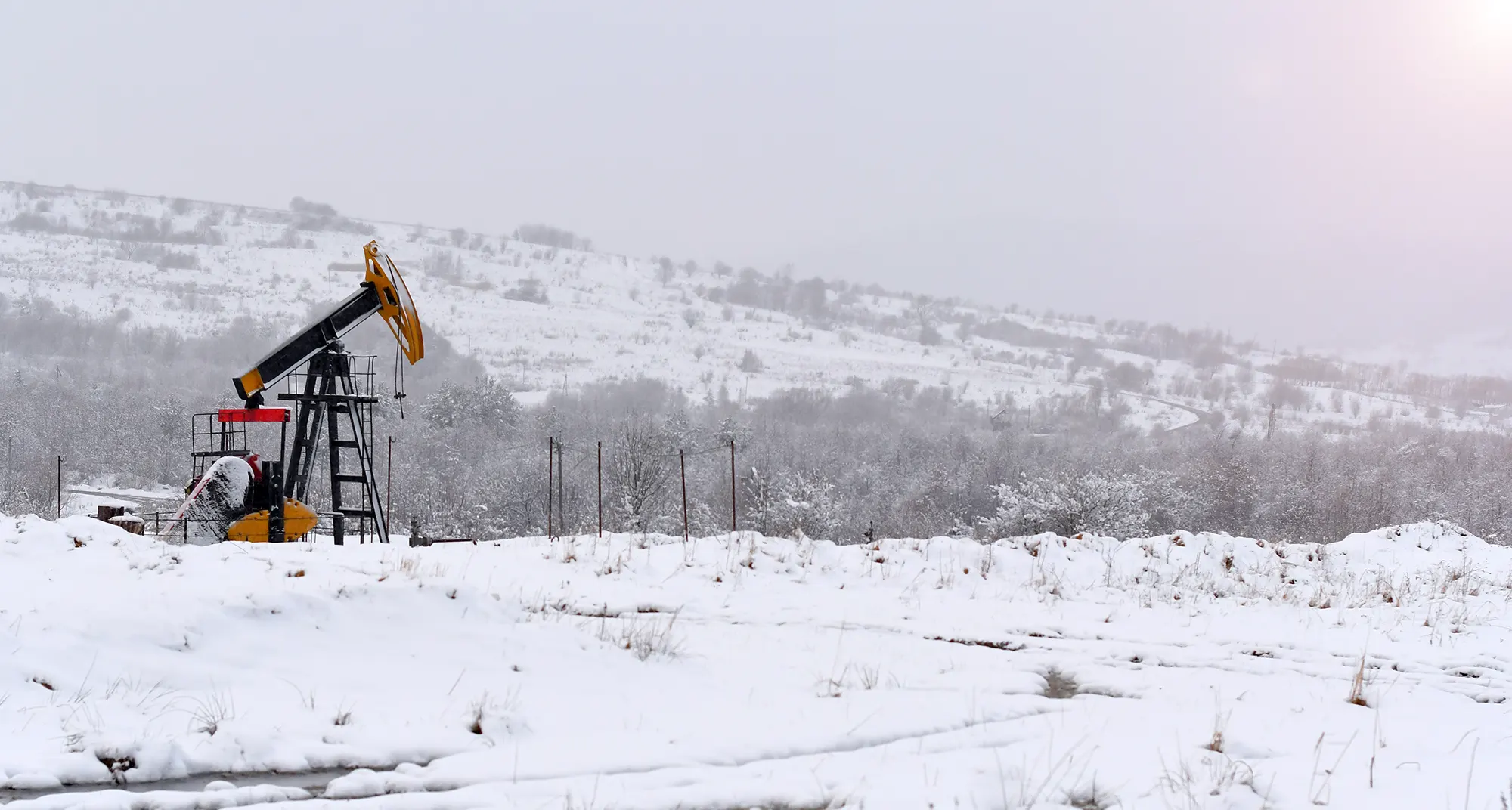
Winter in Northern BC and Alberta is no joke. In the oil and gas world, crews often work in wide-open locations where weather conditions can change quickly. A job that feels manageable in the morning can feel completely different once the wind picks up or the temperature drops.
This is where winter oilfield safety becomes more than a checklist. It needs to be part of everyday decision-making. Cold weather brings real risks, and ignoring them can lead to serious injuries, lost time, and problems that could have been avoided.
Why cold stress matters in oil and gas
Cold exposure increases the risk of injuries such as frostbite and hypothermia. Frostbite happens when skin and tissue freeze and is most common in affected areas like fingers, toes, ears, cheeks, and nose. In severe cases, frostbite can result in permanent tissue damage.
The risk of cold stress increases when several factors are combined, like freezing temperatures, high wind speed, cold wet environments, and wet clothing. Long shifts outdoors with limited access to warm-up areas make things worse.
Dress for the job, not the truck ride
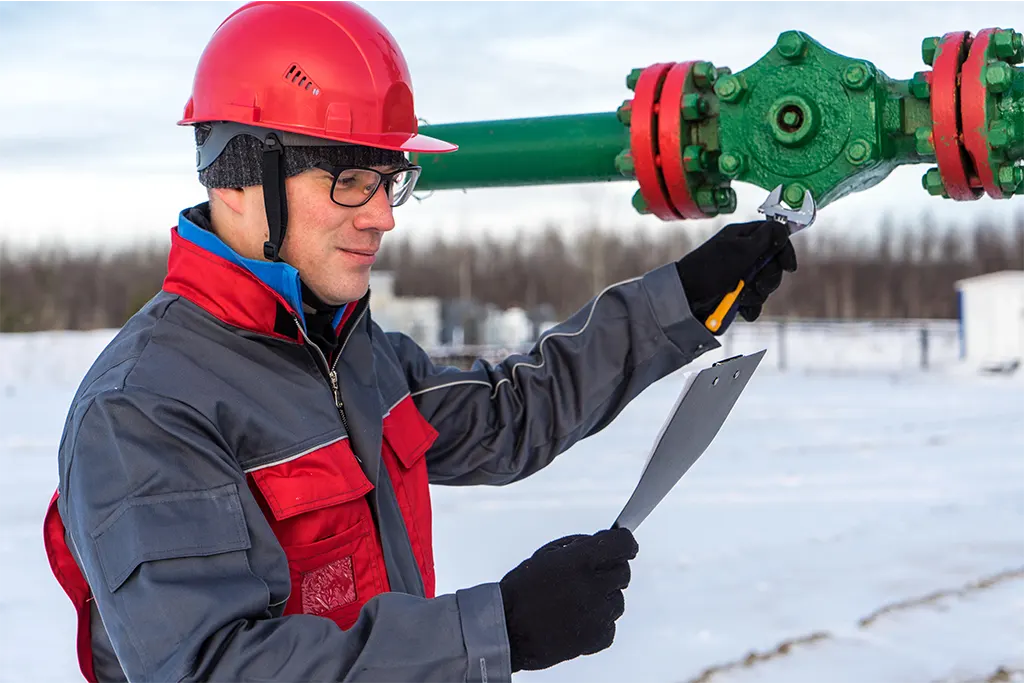
Clothing is your first line of defence in cold weather. A simple layering system works best because it helps manage moisture and maintain body temperature.
A practical approach includes:
- A base layer made of wool or synthetic materials to move moisture away from the skin
- A middle layer that provides insulation and stays warm even if it gets damp
- An outer layer that protects against wind and moisture while still allowing airflow
Two important rules apply here. First, avoid overheating. Sweat quickly turns cold when activity slows. Second, avoid wet clothing. If you get wet, change into dry layers as soon as possible.
Know the warning signs and act early
Cold-related injuries usually don’t just appear all at once. They typically start with subtle signs that worsen when ignored.
Uncontrollable shivering is a major warning sign and should never be brushed off. It signals that the body is losing heat faster than it can generate it. Other signs include numbness, confusion, or slurred speech.
When symptoms are severe or worsening, you should seek medical attention. Treat cold stress seriously and escalate quickly when needed.
Keep hands and feet dry and protected
Hands and feet are often the first parts of the body to lose heat. Once they are cold and wet, it becomes much harder to recover from the cold.
Simple steps help reduce risk:
- Carry spare socks and glove liners
- Change damp layers before they soak through
- Rotate tasks when possible to avoid long exposure to cold metal or wet tools
- Pay attention to numbness or loss of feeling in fingers and toes
Use site setup to support winter safety
Winter oilfield safety is more than just personal protective equipment. It is also about the construction site.
Warm-up areas, good visibility, and basic shelter can help crews regulate body temperature and minimize cold exposure. These are extremely useful for crews working long shifts and for those who are limited to the reduced hours of sunlight during the winter months.
The right equipment makes a difference on the site. A warm place, good lighting, and access to serviced equipment allow the team to focus on their work without having to deal with the cold.
A quick winter oilfield safety checklist
Use this list as a simple pre-shift reminder:
- Check expected weather conditions, including wind speed
- Dress in layers using wool or synthetic base layers, insulation, and a protective outer layer
- Bring spare dry gloves and socks to manage cold, wet exposure
- Plan warm-up breaks based on wind chill
- Watch for warning signs such as uncontrollable shivering or numbness
- Take frostbite risk seriously due to the chance of permanent tissue damage
- Seek medical attention when symptoms are severe or do not improve
Keeping winter work safer on site
Cold conditions are part of working in oil and gas during winter. With the right planning, proper clothing, and smart site setup, crews can work more safely and efficiently.Having the right rental equipment on site can help crews manage exposure and work more safely. Contact Longhorn Oilfield Services to support your winter operations with reliable rental equipment.