


Renting mobile washroom trailers for an oilfield project may sound simple and straightforward. Most people assume you just pick a unit, drop it off, and the job is done. But on remote oilfield sites, the choice really does matter. When a washroom setup doesn’t fit the site, it may mean delays and worker frustration. The right choice in your washroom depends on your crew size, mobility needs, climate, and regulatory requirements. It’s no secrete that each site in Alberta and B.C. has its own set of challenges. Take those into account. Your portable washroom setup should support the work, not get in the way of it.
Start With Crew Size
The number of people on site will shape almost every decision you make on a project, including with mobile washroom trailers.
A small drilling crew might be fine with a modest setup. A large completions team, working around the clock, needs far more capacity. The bigger the crew, the more stalls, water storage, and holding tanks you’ll require.
Most operations underestimate this part. When the trailer is too small, it fills up fast. Waste tanks reach capacity before the service truck arrives. The water supply runs short. People wait in line. All of this slows the day down.
Think about your peak numbers, not just your average. Crews grow during busy phases. Inspectors come and go. Subcontractors move in for short bursts. If the site ever spikes above your plan, your washroom should still handle it.
Consider How Often Your Site Moves
Some projects stay in one spot for months, while others shift every few days. The mobility of your washroom trailer matters. Drilling programs tend to move in quick steps between wells and completions work can also change layout, depending on pressure pumping needs, safety zones, and equipment positions.
For sites that move often, towable well site trailers and washrooms are ideal. They hook up to a pickup and follow the crew easily. There’s no need for a picker truck or special equipment. This keeps downtime low. It also means fewer headaches when the pad layout changes.
On longer, stable projects, skidded washcars often make more sense. They offer more insulation, sturdier build quality, and better winter performance. They stay put, and they’re built for long-term comfort.
If you expect the site to move multiple times, mobility should rise to the top of your list.
Think About Weather and Climate
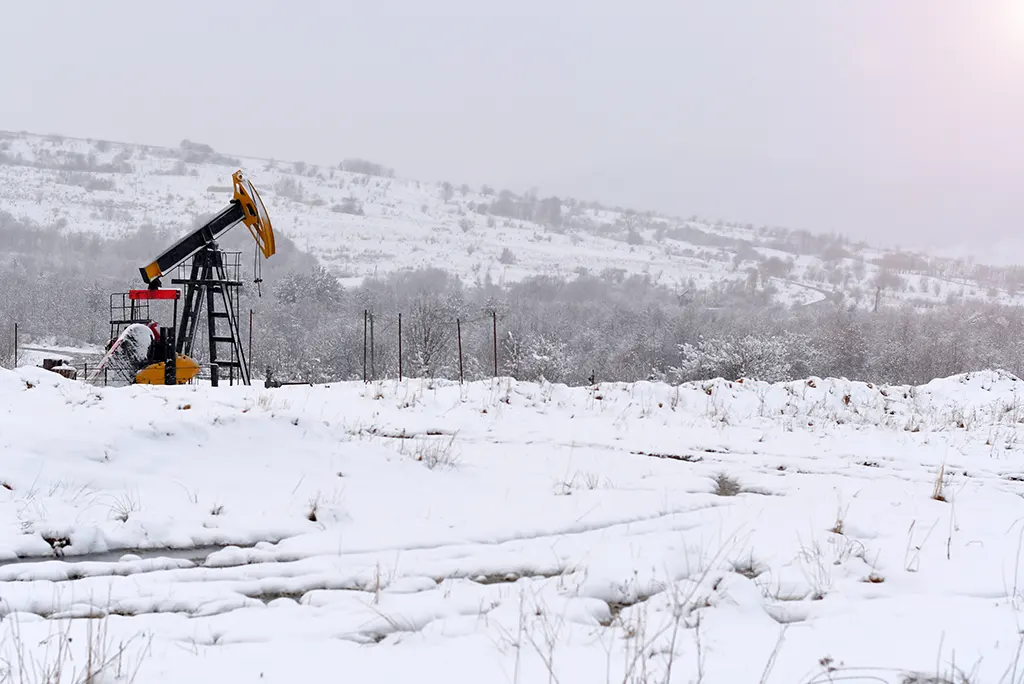
Weather poses a challenge on a lot of remote worksites. Winter temperatures in northern Alberta and northeast B.C. can drop fast. In January and February, -30°C is common. Even early spring can bring heavy wind and blowing snow. A washroom that works fine in summer can freeze solid in winter.
Winterized washroom trailers solve this. They come with insulated walls, heated interiors, and freeze-resistant lines. They hold heat well and reduce the risk of frozen tanks. Skidded washcars tend to perform best in harsh weather because of their insulation depth and heating systems.
Wind exposure matters too. Towable trailers are lighter, which makes them easier to move but sometimes less stable in open areas. Skidded units hold steady when the weather turns rough.
If your project runs in winter, or even late fall, put climate needs at the centre of your decision.
Water and Waste Capacity
A washroom trailer must have adequate, well-maintained water and waste systems. Sites without direct sewer tie-ins have to rely on fresh water tanks and onboard waste holding tanks. The bigger the crew, the more capacity you need.
This is especially important in remote locations where hauling water in and pumping waste out takes time. Weather, road bans, and equipment delays can all push service schedules off-track. Larger tanks provide that cushion.
Fresh water has to last between service intervals. Waste tanks must not overflow. When planning your rental, consider the worst-case scenario, not just the ideal one.
If the trailer offers sink stations, showers, or multiple stalls, the demand grows even faster. Always match tank capacity to real-world use, not best-case estimates.
Regulatory Requirements and Safety Standards
Your oilfield sanitation must adhere to regulatory expectations and worksite safety rules. You can refer to provincial guidelines which cover waste handling, disposal, and transport. In addition, some sites have internal policies that set standards for what’s expected with hygiene and sanitation.
Make sure the washroom trailer you rent meets all of these requirements. This includes proper containment systems, leak prevention, safe venting, and maintaining the correct type of holding tanks. Many companies also want proof of regular servicing and cleaning schedules.
Regulations vary by region, especially when working across the Alberta-B.C. border. Please note that a trailer that’s acceptable in one area may not meet expectations in another.
Matching the Mobile Washroom Trailer to Your Project Type
Different kinds of work call for different setups. When it comes to mobile washroom trailers, drilling crews need mobility and decent capacity. Completions teams need higher throughput and strong winterization. Facility construction crews, working for months in the same place, prefer stability and comfort.
Here are the main things to compare:
- Skidded washcars: Best for winter, large crews, and long-term stability.
- Towable washrooms: Ideal for mobility, fast-moving projects, and frequent layout changes.
- Compact portable washrooms: Good for short work, small crews, or early-stage site prep.
Each unit solves a different problem. Knowing your project’s pace and phase helps narrow the choice quickly.
An Important Consideration: Service Access and Placement
No matter which unit you choose, it needs to sit in a spot where service trucks can reach it. Some sites are crowded with iron. Others have narrow access roads or tight corners. Crews often forget this until the first service visit.
Placement affects efficiency. If a vacuum truck struggles to reach the trailer, service takes longer. In winter, snow drifts or frozen ruts can make access even harder. Plan a practical location early, preferably close to a plowed path or a stable work area.
Good placement improves hygiene too. When a washroom is easy to reach, crews use it without hesitation. When it’s far away or awkward, some avoid it, and that never ends well.
Rent a Mobile Washroom from Longhorn Oilfield Services to Support Your Worksite Crew
A washroom trailer is more than one small piece of your site plan. It affects morale, efficiency, and safety every single day. Contact us at Longhorn Oilfield Services to discuss with a team member your mobile washroom needs on-site. When the setup matches your crew size, climate, mobility needs, and regulatory requirements, the whole operation runs smoother. A bit of planning up front saves a lot of frustration later. If you need dependable mobile washroom trailers, skidded washcars, or winterized units for remote oilfield operations, contact Longhorn Oilfield Services today. We promise fast and reliable support across Alberta and B.C.