


Oilfield operations in northern climates face some of the toughest conditions in the world. From sub-zero temperatures to unpredictable storms, every piece of equipment must perform reliably despite the weather.
Among the many challenges, water management is one of the most critical. Crews need dependable tanks to store fresh water, supply drilling and completions, or safely hold wastewater. Without insulated and heated systems, water tanks quickly become weak points in northern oilfield projects.
Why Fresh Water Storage Tanks Matter
In remote oilfield locations, fresh water storage tanks must withstand severe cold. Without insulation and heating, water freezes, equipment fails, and projects can grind to a halt.
Well-designed tanks protect against downtime and ensure crews have water where and when they need it. For oilfield managers, choosing insulated and heated tanks is less about preference and more about preventing costly interruptions.
Cold Climate Challenges
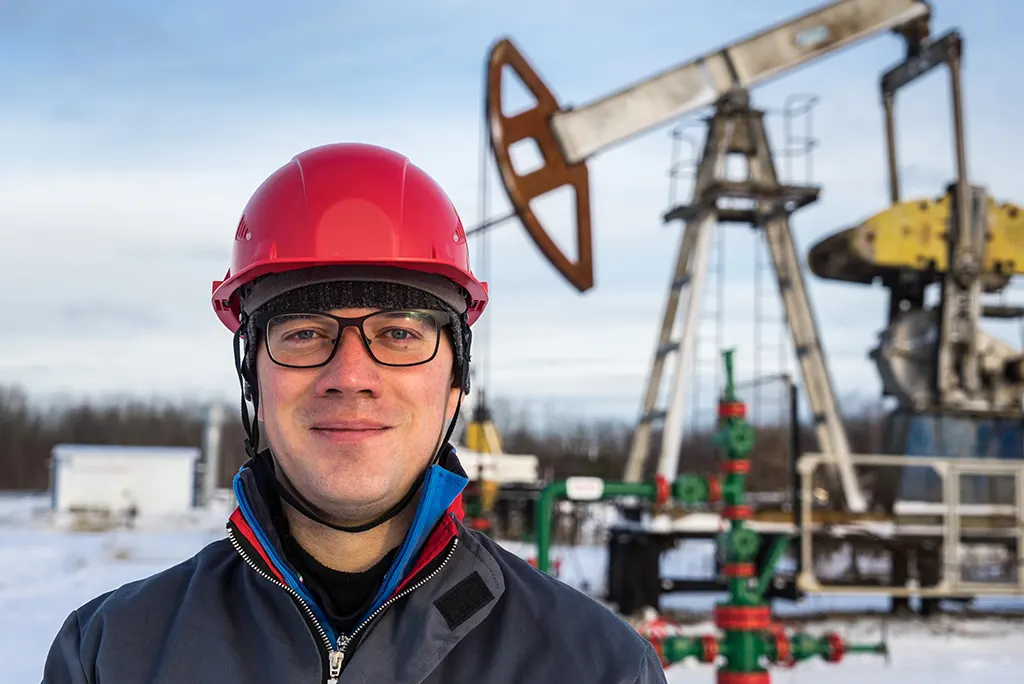
Working in northern Alberta, British Columbia, or other Arctic-adjacent regions means temperatures can stay below –30°C for weeks. Water is especially vulnerable in these conditions.
- Freezing risks: Standing water can freeze solid in hours. Ice expands, damaging containers and pipework. Even partial freezing reduces flow and efficiency.
- Operational delays: Frozen tanks or blocked lines can halt drilling and completions. Downtime can cost thousands of dollars each day.
- Environmental hazards: Burst tanks or frozen wastewater systems can create spills, contamination, and unsafe conditions for crews.
Without proper safeguards, cold weather compromises both potable water and wastewater management, putting entire projects at risk.
Insulation and Heating: A Two-Part Solution
The best defence against freezing is a combination of insulation and heating systems. Together, they create reliable, all-weather tanks.
Insulation
Insulation keeps water at a stable temperature by reducing heat loss. It prevents freezing during prolonged cold snaps and lowers energy demands on heating systems. It also adds a layer of protection against impacts and weather.
Heating
Heating systems keep water at the right temperature for use in drilling, sanitation, or camp support. Heated tanks ensure waste systems remain liquid, so vacuum trucks can pump efficiently and reduce downtime from frozen equipment.
When combined, insulation and heating turn standard water tanks into year-round assets.
Features of Fresh Water Tanks for Oilfield Operations
Fresh water plays a role in nearly every oilfield activity, from drilling fluids to camp support. Northern-ready storage tanks typically include:
- Large capacities: Often 1,500 gallons or more, reducing the need for frequent refills.
- High-velocity pumps: Provide strong water flow for operational needs.
- Quick-connect fittings: Systems like cam locks simplify refilling and transfer.
- Insulation and heating: Keep water usable in sub-zero weather.
- Protective housing: Sea cans or similar enclosures shield tanks from the elements and ease transport.
These features ensure a steady water supply and reduce the manpower needed for constant monitoring in cold conditions. For camps, reliable tanks also mean safer, more comfortable living environments.
Waste Holding Tanks: The Other Side of the Equation
For every gallon of fresh water brought in, wastewater must be safely contained. Heated and insulated waste tanks are critical to protect both crews and the environment.
- Freeze protection: Prevents wastewater from freezing, which can block outlets and stop vacuum trucks from emptying tanks.
- Regulatory compliance: Ensures wastewater remains secure until it can be transported and treated.
- Flexible sizing: Common capacities range from 800 to 3,000 gallons, matching site volumes and disposal schedules.
- Safety and hygiene: Heated tanks reduce overflow, spillage, and frozen backups in camp systems.
Without these protections, frozen wastewater can quickly escalate into spills, environmental penalties, and costly remediation work.
The Cost of Downtime
Unplanned downtime in drilling operations can cost anywhere from $25,000 to $100,000 per day. Something as simple as a frozen water tank can cause enormous financial losses.
Indirect costs add up too, including:
- Extra fuel for thawing equipment.
- Emergency labour for repairs.
- Environmental fines from spills.
- Damaged reputation with regulators or partners.
Insulated and heated tanks are an upfront investment that prevents these expenses and keeps projects moving.
Real-World Uses of Heated and Insulated Tanks
These tanks support a wide range of daily operations in northern oilfields.
- Drilling and completions: Provide reliable water for mixing drilling fluids and safely manage produced wastewater.
- Remote camps: Deliver potable water for drinking, cooking, and showers while collecting wastewater securely.
- Frac support: Ensure the large water volumes needed for hydraulic fracturing remain available without ice blockages.
- Dust control and road maintenance: Keep haul and access roads safe year-round with steady water supply for dust suppression.
- Fire prevention: Maintain emergency reserves in wildfire-prone areas, ready to deploy even in subzero weather.
In each case, the reliability of heated and insulated tanks directly impacts site safety and productivity.
Longhorn’s Heated and Insulated Water Tanks
Northern oilfields demand equipment that can handle extreme conditions. At Longhorn Oilfield Services, our heated and insulated tanks are built to prevent freezing, minimize downtime, and support compliance with environmental standards.
From fresh water supply to wastewater containment, our tanks keep sites running smoothly in some of the harshest environments on earth.
If your project requires dependable water storage and wastewater solutions, contact Longhorn Oilfield Services today. Our rugged tanks are designed for northern operations, keeping your site safe, efficient, and compliant year-round