

Every drilling program starts with optimism. Schedules look clean. Budgets make sense. Timelines seem realistic. Then the actual field work begins and somebody realizes the site does not have enough fuel storage, the lighting setup is wrong, or the generator cannot handle the load once the heaters kick in at night.
That is usually the moment people remember drilling support equipment is not secondary infrastructure. It is the infrastructure.
The drilling rig may be the centrepiece of the operation, but the surrounding equipment is what keeps the entire site functioning day after day. And planning those needs properly can save a company a surprising amount of money, downtime, and frustration.
The problem is that many drilling programs do not consider it important to consider equipment logistics during the early planning stages. Instead, they focus heavily on production targets and drilling schedules while treating heavy equipment as something that can be figured out later. Especially on remote sites where weather and road access change by the week, you want to have planned your support equipment in advance.
Start With the Scope & Not the Equipment List
A common mistake that happens when administrating drilling programs is a failure to build an equipment list before fully understanding the actual scope of the project. That sounds backwards, but it happens all the time.
Before renting anything, operators should look carefully at the basics:
- How many workers will be on site?
- How remote is the location?
- What season will the work happen in?
- How long will the drilling program realistically last?
A winter drilling project in a remote location will look very different from a short-duration summer drilling operation closer to established infrastructure. Winter conditions change fuel usage dramatically because generators, heaters, and camp systems work harder around the clock. In some parts of northern Alberta, winter temperatures regularly drop below -30°C. Equipment demand changes fast when crews are trying to keep water systems from freezing overnight.
This is why experienced site managers understand that their drilling equipment rentals need tom be flexible.
Power Requirements Usually Grow Mid-Project
Oilfield power generators are one of the most commonly underestimated pieces of rented equipment on drilling sites. Early projections often assume ideal operating conditions, but actual field demand rarely stays static.
A generator powering office trailers and lighting systems during week one may suddenly need to support additional heaters, communication systems, battery charging stations, or temporary camp expansions by week three.
Power failures on remote drilling sites are not small inconveniences. They disrupt reporting systems, safety infrastructure, and basic site operations almost immediately.
Most drilling programs rely on a combination of generators, light towers, and backup systems to keep operations stable. The key is sizing equipment with enough buffer capacity that the site can handle unexpected increases in demand without pushing systems to their limit every night.
Running equipment at maximum load constantly is hard on engines and expensive on fuel.
Fuel and Water Planning Are Usually More Important Than People Expect
There is a tendency to think of fuel storage and potable water systems as supporting details. In reality, they are central to keeping a drilling site operational.
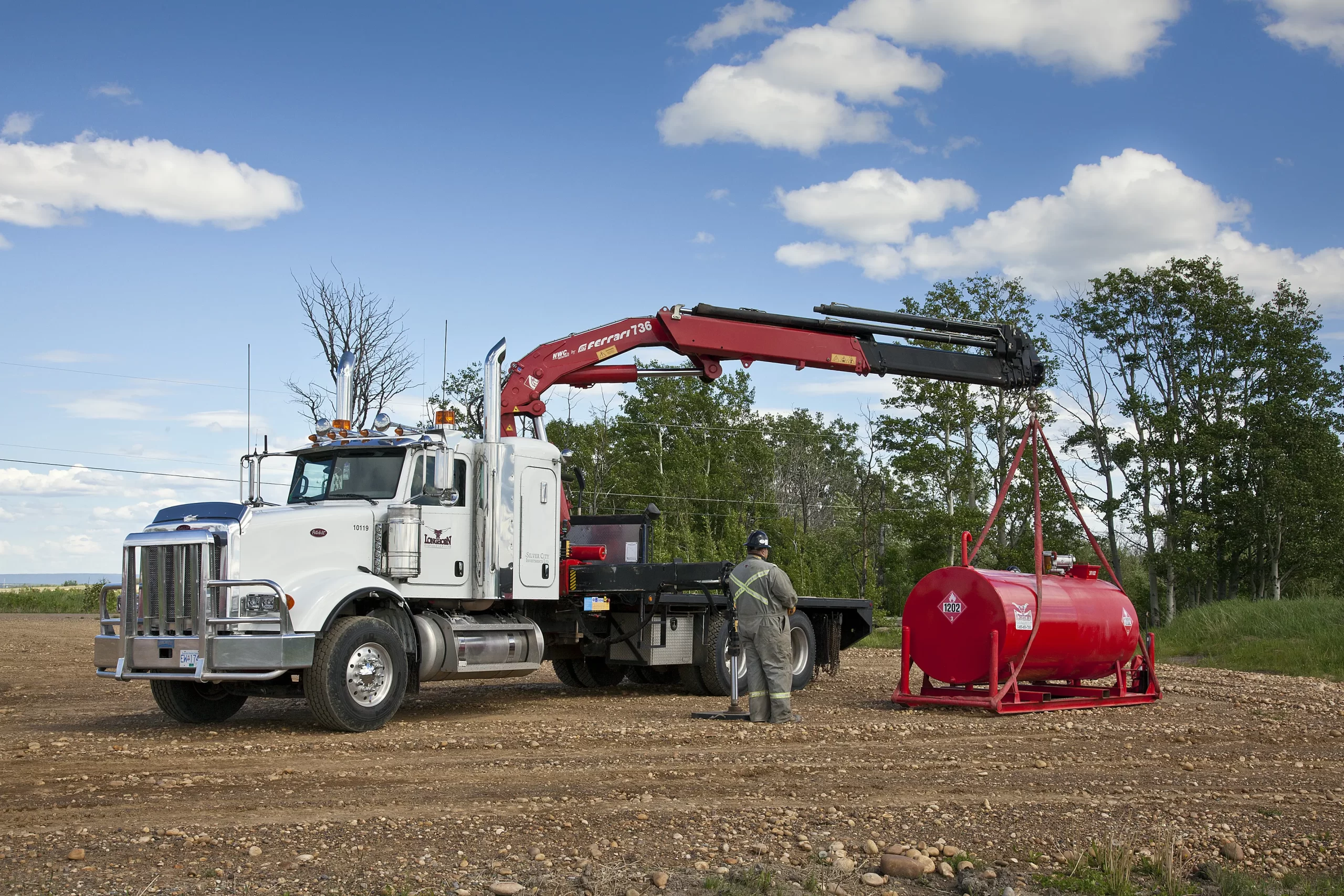
Fuel consumption increases quickly once you have generators, heaters, pumps, and heavy equipment running non-stop. A mid-sized drilling operation can easily burn through thousands of litres faster than you might expect, especially during cold weather, only further highlighting the need for premium fuel storage solutions.
Remote access can also complicate delivery schedules and sites that operate with minimal reserve capacity tend to feel those delays immediately.
Water systems require the same kind of planning. Camps rely on potable water for cooking, sanitation, laundry, and daily crew use. Underestimating storage capacity creates unnecessary stress for everyone on site.
The operations that run smoothly are usually the ones that planned for delays before delays ever happened.
Strong Planning for a Drilling Program Leaves Room for the Unexpected
Drilling programs almost never unfold exactly as scheduled. Timelines shift. Crews expand. Weather interferes. Equipment needs evolve halfway through the project.
That is why the smartest drilling equipment rental strategies leave room for adjustment instead of trying to engineer a perfect forecast from day one.
A good site setup is not necessarily the biggest or most expensive one. It is the one that adapts well when conditions change, because conditions always change eventually in the oilfield.
The best-run drilling sites often feel almost boring operationally. Power stays on. Fuel remains available. Water systems work. Lighting holds steady. Nobody is scrambling to solve preventable problems in the middle of the night.
This kind of stability does not happen accidentally. It comes from planning equipment needs properly before the first truck even reaches the lease.
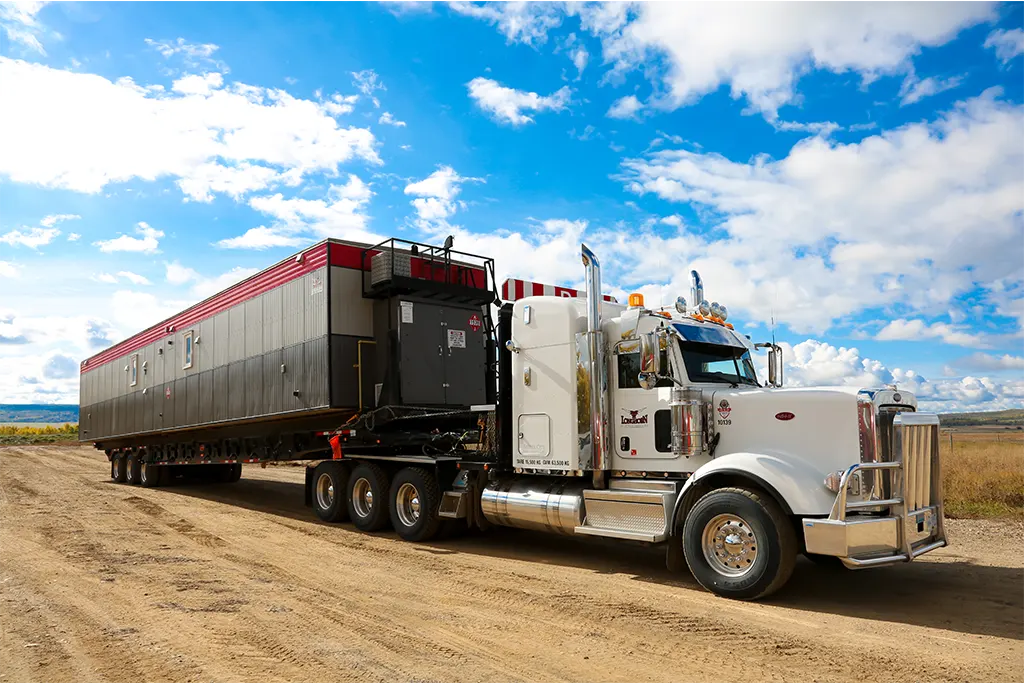
For reliable drilling equipment rentals built to handle demanding Western Canadian job sites, contact us. Get in touch with Longhorn Oilfield Services and set your project up with the equipment and support needed to keep things running properly from start to finish.