

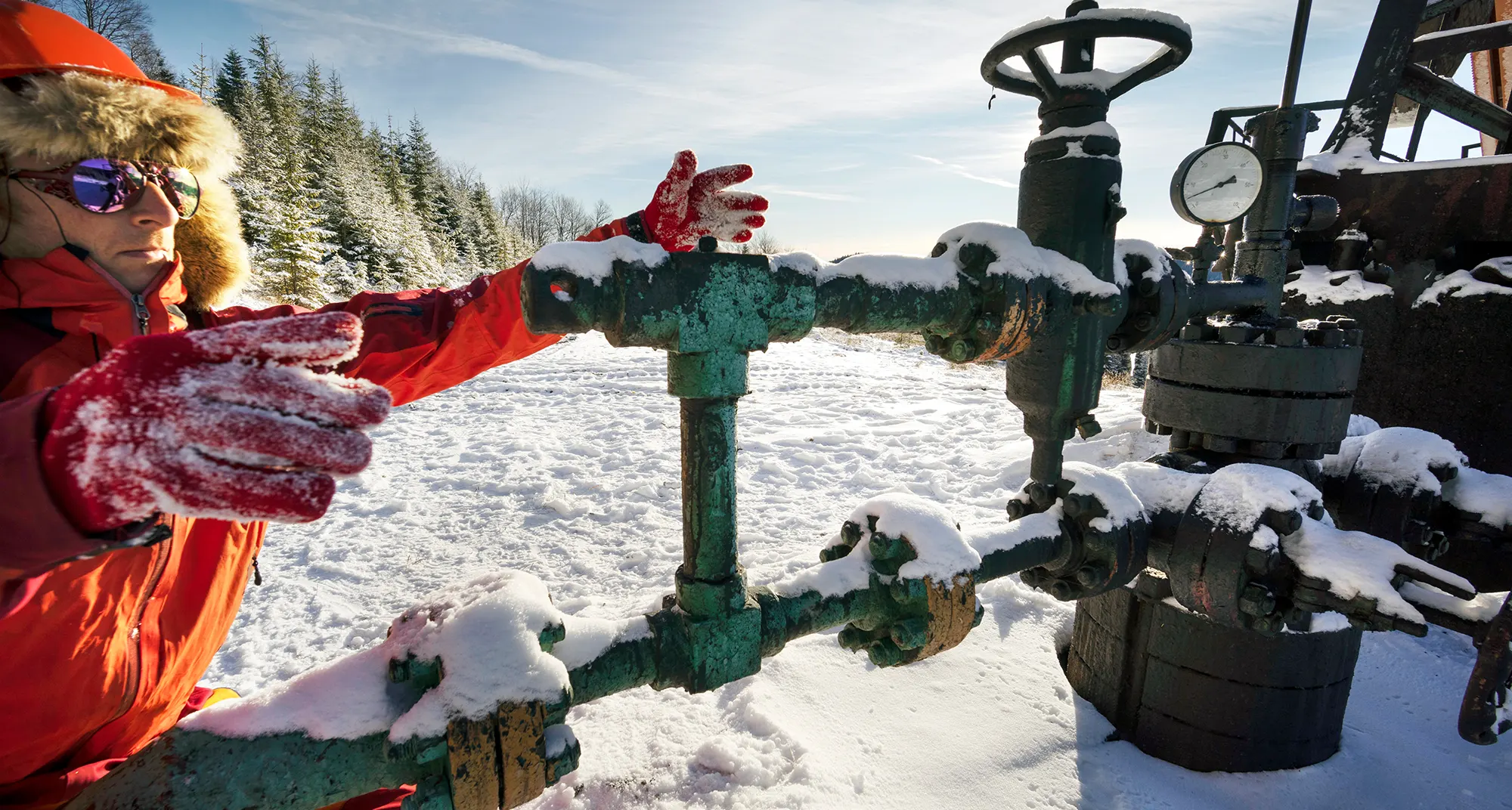
Cold weather work is a part of life in Western Canada and on oilfield sites all over Canada. From northern Alberta to northeast B.C., crews are exposed to cold for months at a time. In Grande Prairie, average January lows sit around -18°C. Add wind. Add moisture. Add long shifts. The risk climbs fast.
Cold stress is not just about comfort. It affects focus, reaction time, and decision-making. According to the Canadian Centre for Occupational Health and Safety (CCOHS), working in cold conditions increases the risk of frostbite and hypothermia, especially when wind speed increases or clothing gets wet.
That means safe work depends on planning, not just grit. Here are five things that actually make a difference on site.
1. Layering Done Properly
Not all personal protective equipment is acceptable in cold temperatures. For this reason, any oilfield site worker should carefully layer what their wearing.
Start with a moisture-wicking base layer. Do not wear cotton as it’s not your friend. Once it gets wet, it stays wet. That pulls heat from the body.
From there, add an insulating middle layer. Fleece or wool works well. These trap warm air close to the skin.
Finish off your layering with a wind-resistant outer shell. Wind chill temperature can make -20°C feel closer to -35°C. Blocking wind matters as much as insulation.
A few practical reminders:
- Change out of wet clothing right away
- Keep spare gloves and socks in the truck
- Make sure PPE fits properly over layers
When workers are exposed to cold without proper layering, heat loss speeds up. That increases the risk of cold injuries.
2. Heated Warming Shelters That Are Close to the Work
Install heated warming shelters with lighting & power supplies near active work zones so that your crew can access it.
A warming area too far from the job means an increasing likelihood that crew members will skip it and try to brave the cold alone.
Occupational health and safety guidelines in Canada recommend scheduled warm-up breaks when temperatures drop below -26°C with wind chill. Also, short, frequent breaks are better than one long break and can be scheduled alongside breaks to use portable washrooms. Even ten minutes in a heated space can stabilize core temperature.
This is not about comfort. It is about preventing cold stress before it starts.
3. Managing Wind and Moisture
Wind is often the real problem as it amplifies cold temperatures and can create some absolutely harsh conditions outdoors when workers are on site. When wind speed increases, the body loses heat faster. That is basic physics.
Simple changes can help:
- Use windbreaks where possible
- Park equipment to block prevailing wind if you can
- Rotate tasks so no worker stays exposed too long
Moisture is just as dangerous as the wind. Snow that melts inside boots, sweat trapped under heavy gear, and freezing rain all increase heat loss. For this reason, supervisors should watch for wet clothing during shift checks. Workers often ignore it and that is when frostbite risk climbs.
Extremely cold conditions demand planning. Adjust shift length. Stagger high-exertion tasks. Build flexibility into the schedule.
4. Hydration and Fuel
People drink less water in winter because, for many, they do not feel thirsty. But dehydration increases the risk of cold stress. Blood volume drops, circulation suffers, and a person’s hands and feet freeze faster.
Warm, non-caffeinated drinks help so no, we’re not talking coffee. So does regular water intake. Crews working outdoors should be reminded to hydrate, even when it is freezing.
Food matters too. The body burns more calories in cold weather. High-energy snacks during breaks can help maintain body heat and is a smart investment for any oilfield crew. Think protein and complex carbs. Not just sugar.
When workers are fueled properly with the right food intake and stay hydrated with a safe, heated water supply, they maintain core temperature better. That reduces fatigue. It improves focus. It helps protect workers from mistakes caused by cold.
5. Training Crews to Spot the Signs Early
The signs and symptoms of cold stress are not always obvious. They can creep up unexpectedly, where a worker is feeling perfectly well one moment and then the next, there’s trouble. Mild hypothermia can look like simple fatigue.
Watch for:
- Shivering that does not stop
- Slurred speech
- Clumsy movements
- Pale or waxy skin on fingers, toes, ears
Should you start to notice these signs on yourself or others, early reporting matters. Oilfield crew members should feel comfortable speaking up. No one should tough it out to prove a point. That’s never smart.
Regular toolbox talks during cold weather season can help reinforce safety awareness and supervisors should monitor new workers closely. Those not used to working in cold environments are at higher risk as well because they don’t have the experience to know the right things to do.
Cold injuries develop faster than most people think. Especially when someone is exposed to cold for hours at a time as is the case with so many oilfield workers.
Cold Weather Work Requires Intentional Planning
In Canada, winter cold does not shut down oilfield sites and crews. The on-site oilfield work keeps moving, even when temperature drops hard and the wind cuts. That means crews cannot treat cold weather as an afterthought. It is part of the job and requires intentional planning.
Everyone on site, from the newest hire to the most experienced supervisor, has to understand the risks that come with the winter cold and deal with those challenges head on. Frostbite and hypothermia are always preventable. Incidents are not inevitable just because it’s the middle of winter.
Let’s be clear about one thing. Cold weather safety has nothing to do with toughness. Trying to “push through it” is how people get hurt.
If your operation needs reliable, premium-quality on-site equipment and support that stands up to Canadian winters, connect with Longhorn Oilfield Services to keep your crews working safely and efficiently.