

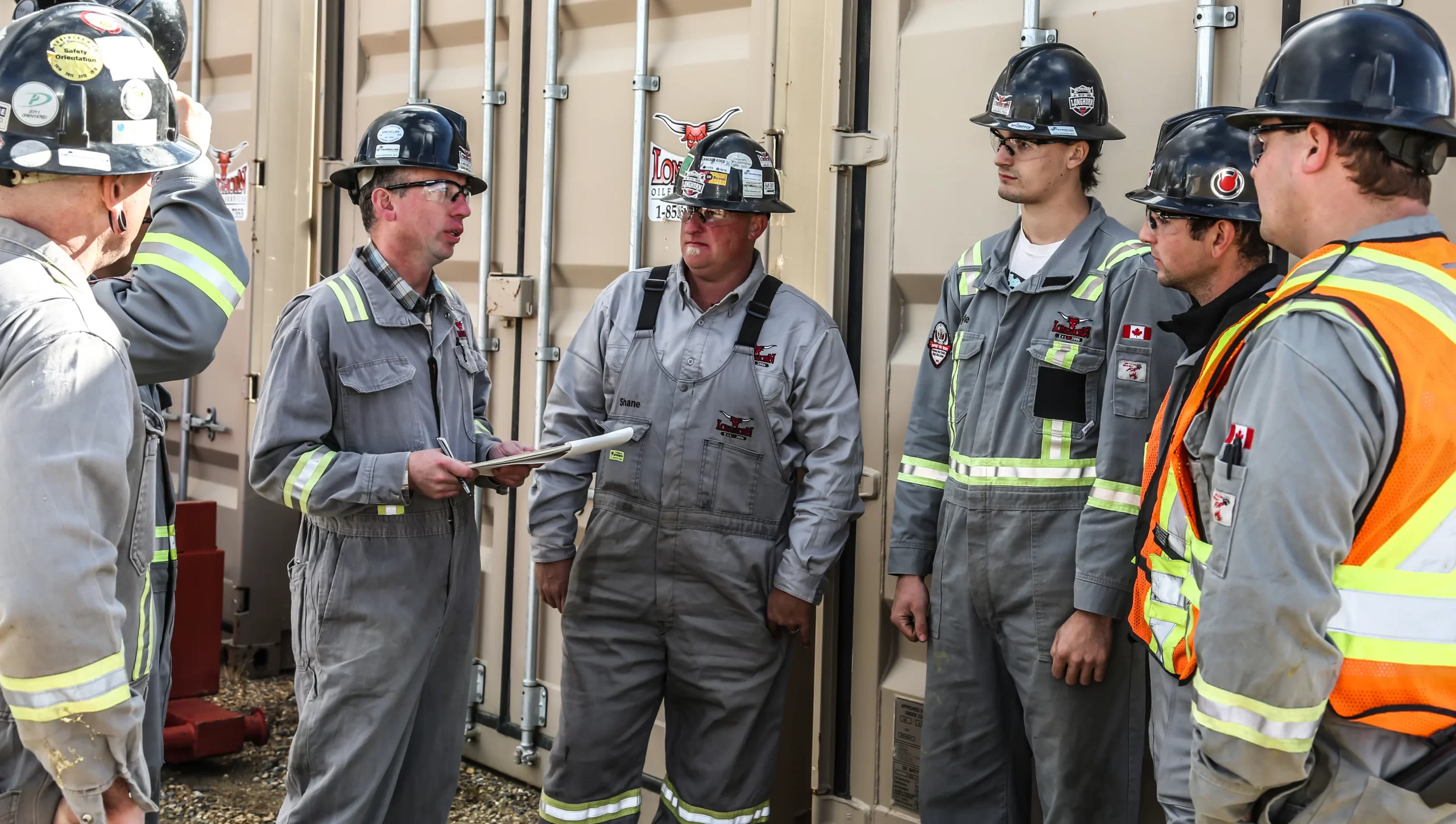
A remote oilfield project site can look ready on a company’s schedule and yet, when it comes to the execution, your crew can still lose time over basic gaps: fuel runs low, a trailer arrives before the pad is ready, or crews have nowhere warm to take a break.
Those details matter in remote locations and areas such as Dawson Creek and Fort St. John, where equipment may need to travel beyond town and conditions can change between dispatch and arrival. For operators working in Northeast BC, planning fuel, accommodation and access together helps keep the site functional as the job moves through its busy stretches.
Start With the Worksite, Not a Standard Rental Package
Before arranging what oilfield equipment you need at any given time, of course, it’s essential to get clear on what the site will be doing each day.
- How many people will be there?
- Which equipment needs to run continuously?
- Will crews stay overnight?
- How long is the project expected to remain in one place?
Those answers shape what sort of equipment rental plan is best and assists you with setting expectations.
A short oilfield maintenance job with regular deliveries will have different needs than a remote operation running several generators and heaters through the night. Make sure you consider the location, schedule and expected crew size when checking availability of given oilfield equipment.
An equipment supplier can also give more useful guidance with those details than with a request for “a shack and a fuel tank.”
Choose Fuel Storage Around Actual Use
Start a fuel estimate by listing the equipment that will draw from the supply: generators, light towers, heaters, pumps and mobile units. For each, consider expected daily operating hours and how often a delivery truck can reach the site.
That gives you a more realistic starting point for choosing a fuel skid than picking a tank based on size alone.
Fuel skids and fuel storage also need a suitable location and handling plan.
In British Columbia, the provincial government notes that BC Fire Code requirements apply to fuel storage tanks and recommends following the Canadian Council of Ministers of the Environment’s tank codes of practice.
Confirm the right configuration and site requirements with the supplier and the people responsible for the operation.
Winter adds another variable. Diesel performance depends on the fuel and the conditions, so check with the fuel supplier and equipment manufacturer about the grade and cold-weather requirements for the units on site. Warm-weather fuel may not store properly in cold weather, and that water can condense in a cold tank.
Match the Shack to the Crew’s Routine
A wellsite shack should fit the people using it and the way their shifts run.
Some crews need a place to sleep and prepare meals; others need a work area for supervisors, a warm break space or both. Confirm whether the unit includes the facilities your crew needs, and what connections the site must provide for power, water and wastewater.
It helps to think through a typical shift rather than just counting beds and may even be beneficial to consult members of your crew.
- Where will workers store gear?
- Can they use the space comfortably during shift changes?
- Is there a separate place for paperwork or a medic?
A unit that meets the headcount may still be a poor fit if it creates bottlenecks at meals or leaves no practical work area.
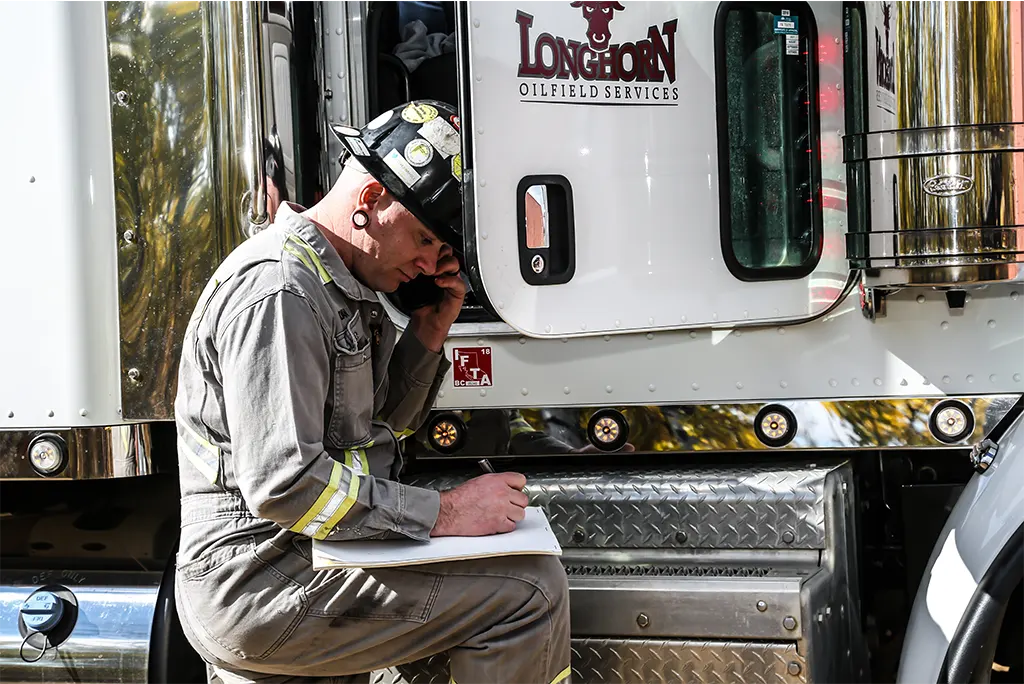
Make Cold-Weather Plans Specific
The cold is not an occasional inconvenience in the Peace region. It’s something you can rely on to have to plan around.
Dawson Creek’s average daily temperature is -5.8°C in November and -10.8°C in December; Fort St. John’s averages are -6.1°C and -10.8°C for those months.
This makes heating, dry clothing and warm-up arrangements part of ordinary site planning and crew considerations.
WorkSafeBC requires a nearby heated shelter when a worker is exposed to an equivalent chill temperature below -7°C. Employers also need to assess cold-stress risks and establish appropriate controls, so confirm how the shelter and work-rest plan fit the actual tasks and exposure.
Check the Route and the Setup Before Dispatch
Being able to deliver fuel skids and oilfield equipment to your site is extremely important. Highway conditions are only part of the access picture, however.
DriveBC has cameras along Highway 97 near Dawson Creek and Fort St. John, but the final lease road may have different conditions. Check with the site contact before dispatch, especially after snow or a temperature swing, and confirm the truck can reach the unloading area. Include any road restrictions, gate access and unloading instructions in the delivery plan so drivers are not left to sort them out at the last minute.
Before mobilization, walk through the site layout with the crew lead and suppliers.
Make sure fuel storage, office trailers, lighting, washrooms and work areas can fit without blocking one another, and check that each unit has the access and connections it needs.
For remote workers who may be alone or isolated, WorkSafeBC also requires written check-in procedures that set contact intervals and explain what happens if a worker cannot be reached.
For fuel skids, wellsite shacks and other rentals in places like Dawson Creek, Fort St. John, and across northeast BC, contact us. Longhorn Oilfield Services can assist with getting you the resources you need to move your project forward. It all starts with us receiving the site location, schedule and crew requirements. Our team can help you check equipment availability and coordinate the setup for your project.