

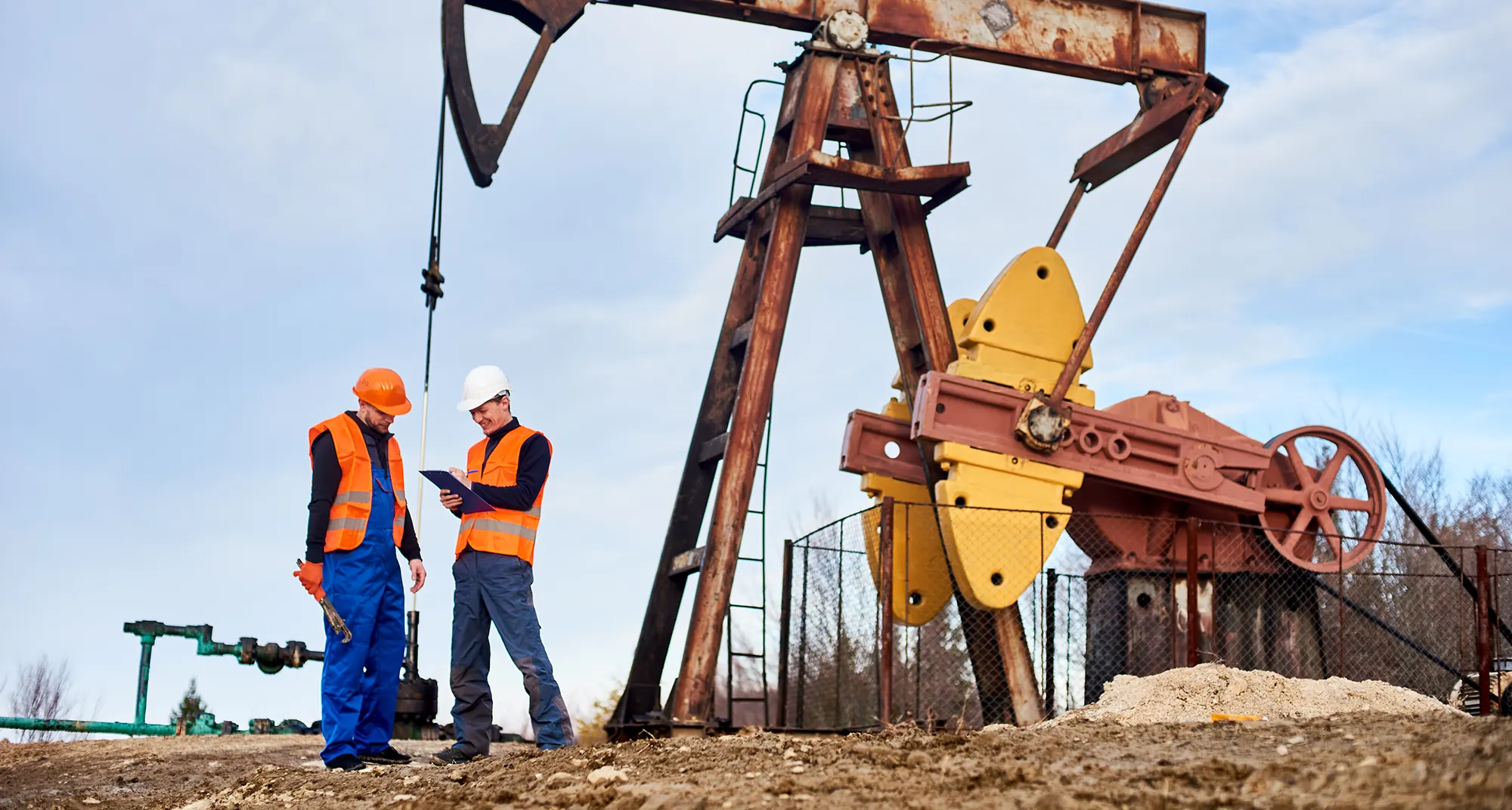
Remote work looks different in the oilfield. This is not a coffee shop with Wi-Fi. It is a gravel lease road. It is a camp trailer. It is a job site hours from the nearest town.
The challenges of remote working in this setting are real. Distance. Weather. Long shifts. Limited services. Spotty internet connections. Add weeks away from home and you start to see the full picture.
In Western Canada, thousands of workers operate in remote camps every year. Statistics Canada has reported that resource-based regions often rely on rotational labour forces. That means crews regularly work in isolated areas for 14 or 21 days at a time. The structure works. But only if it is managed well.
Here are seven practical tips that make remote oilfield work more sustainable over the long term.
1. Treat Communication Like a Safety Tool
Poor communication creates stress and it also creates mistakes. There is very little room for error on a job site so ensuring communication skills are fine-tuned and that communication is open with all relevant parties is a must.
Remote employees often deal with changing work conditions, shifting project timelines positive or negative, and different time zone challenges when head offices are in other provinces. Clear communication systems and standards reduce confusion.
For supervisors, try to use a simple project management tool that everyone understands. It does not need to be fancy or even advanced. It needs to be consistent. Daily updates. Clear task lists. Defined responsibilities.
When team members know what is expected day to day, tension drops. Productivity goes up.
2. Build a Functional Working Space
Not all remote work environments are equal. Some workers operate from trucks. Others from temporary offices or camp units.
A proper working space matters more than people think. Poor lighting and clutter increase fatigue. Noise increases stress. Even small upgrades help.
Make sure the space has:
- Good lighting
- A stable desk or surface
- Reliable power supply
- As strong an internet connection as the location allows
Remote work offers flexibility, but it should still support focus. A chaotic environment adds to the challenges of remote operations.
3. Plan for Internet Gaps
Internet connections in remote oilfield sites can be spotty and unreliable. Satellite systems help, such as Starlink, but weather can still interfere now and again, especially during winter when storms are common.
Instead of fighting it, plan around it.
Where you can, download documents ahead of time. Schedule heavy data transfers during low-traffic periods. Keep offline backups of critical files.
Remote workers who depend on constant connectivity often feel more stress when systems drop. Reducing that dependence lowers frustration.
4. Protect Work Life Balance on Rotation
Rotation schedules can blur lines between work hours and rest hours. When you live where you work, it becomes easy to stay “on” all the time.
Over time, that leads to burnout.
Encourage crews to fully disconnect during off hours. No emails. No late-night calls unless it is urgent. Rest days are not optional. They protect long term performance.
Remote employees already deal with physical distance from family and community. Protecting work life balance reduces feelings of isolation.
5. Watch for Isolation Creep
Feelings of isolation build quietly. They rarely show up on a safety report.
Workers in remote camps may spend weeks away from their usual support networks. Even strong personalities feel the weight after a while.
Simple actions help:
- Regular check-ins that go beyond task updates
- Shared meals when possible
- Team discussions that include everyone
Connection does not need to be complicated. It just needs to be intentional. The mental side of remote work is often overlooked. It should not be.
6. Respect Time Zone Differences
Oilfield projects sometimes involve communicating with offices in other time zones and sometimes even outside Canada.
Those time zone gaps can easily extend the work day. Without a set structure, supervisors and remote workers end up attending early calls and late meetings. That cuts into sleep. Fatigue increases safety risks the next day.
Try to set clear availability windows. Define standard work hours for each site. Rotate meeting times when possible so the same people are not always adjusting.
Small scheduling changes protect both morale and performance. The time to evaluate your work schedule for the crew is time worth spent.
7. Prepare for the Unexpected
The challenges of remote working on oilfield sites include a myriad of factors that you will never be able to control.
Things happen all the time that interfere with worker productivity and project progress. Weather shuts roads down. Equipment fails. Deliveries get delayed. The difference between stress and stability is preparation.
There is so much one can do, from scheduling reliable on-site fuel storage to providing reliable wellsite accommodations and shacks.
Keep spare supplies on site. Build buffer time into project schedules. Cross-train team members so tasks do not stall if someone is unavailable. There is so much that one can do to accommodate and plan for the unexpected.
Prepared crews adapt faster. That reduces downtime and frustration.
Remote Oilfield Work Is High-Risk – Plan Accordingly
Remote oilfield sites are not low-pressure environments. The margins are tighter. The weather is harsher. The logistics are more complicated. Everyone on site feels that.
This is exactly why planning cannot be casual or reactive. It has to be deliberate from day one.
Communication needs to be steady and clear. Expectations around work hours should be spelled out, then adjusted when reality shifts. Systems should be simple enough that people actually use them, but strong enough to hold up under pressure.
When leadership accepts that remote oilfield operations come with real challenges, and actively manages them instead of brushing them aside, performance improves. There are fewer crossed wires. Retention gets better. Safety records follow the same trend. Time and time again, this occurs when it comes to remote site management.
Being far from town does not automatically mean things fall apart. A smaller crew does not mean people check out. Structure and accountability close those gaps quickly.
If your next project requires dependable on-site equipment and experienced support built for remote Western Canadian operations, connect with Longhorn Oilfield Services to keep your crews productive, connected, and ready for whatever the field throws at them.